
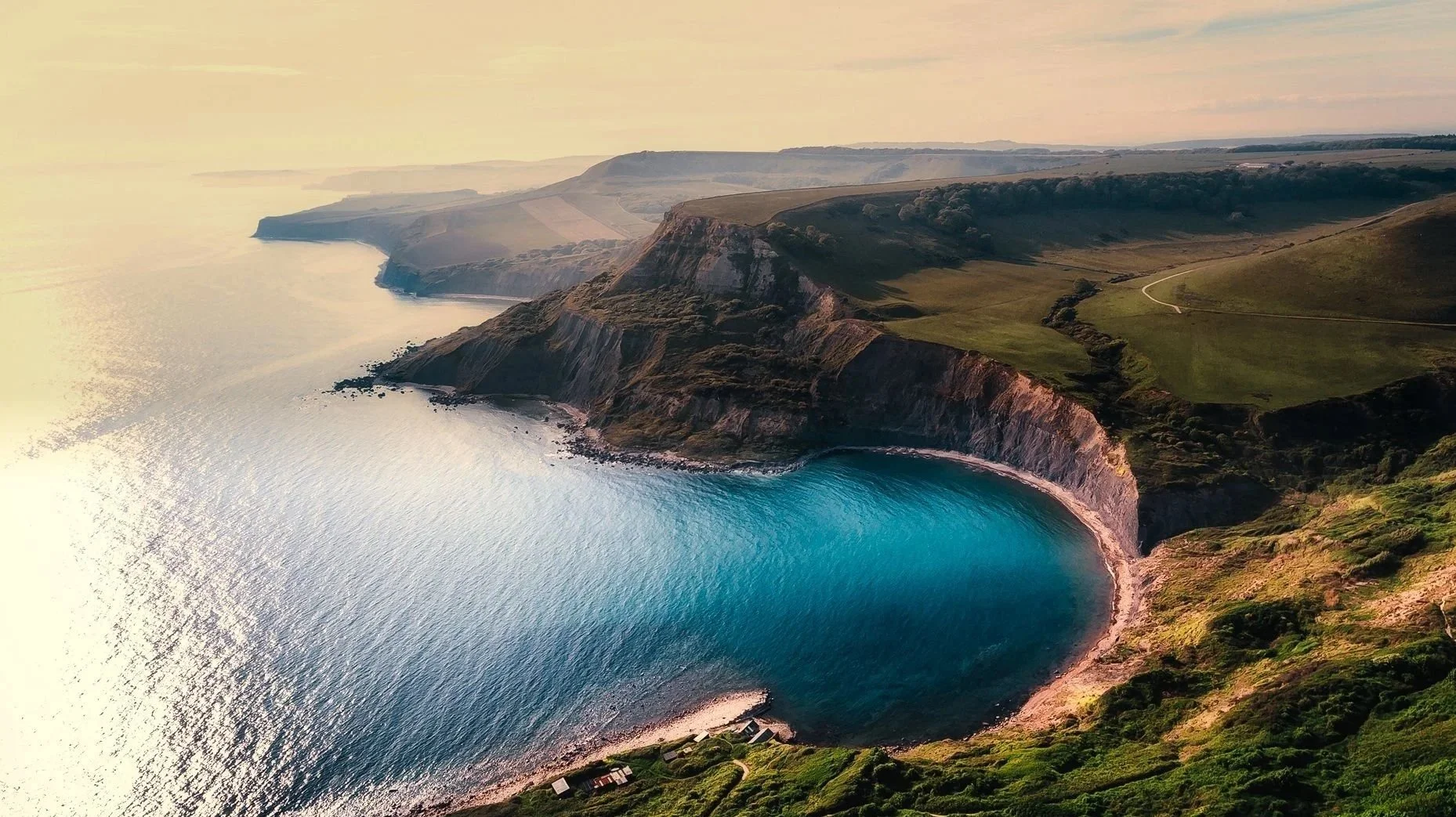
For too long, UK waters and coastal communities have been allowed to decline.
As a proud island nation with over 17,000 km of coastline and the fifth-largest marine estate in the world, the ocean should be at the heart of political and economic thinking. Instead, Westminster has left our coastal towns to decades of decline in a wide range of areas, including employment, education, transport and health.
Our waters have gone the same way. Once abundant and home to a thriving British fishing industry, they are now under strain, with local fishers whose family businesses go back generations coming back to port with less and less and struggling to make a living. Add to that a completely unfair distribution of quota that squeezes small-scale British fishers out further still, all while we allow foreign super trawlers to tear through our territorial waters.
We say enough. It's time for a bold new vision — six common-sense commitments to rebuild a thriving British fishing industry, support the revitalisation of our coastal communities, and restore our waters so they sustain livelihoods and wildlife for generations to come.
our campaigns
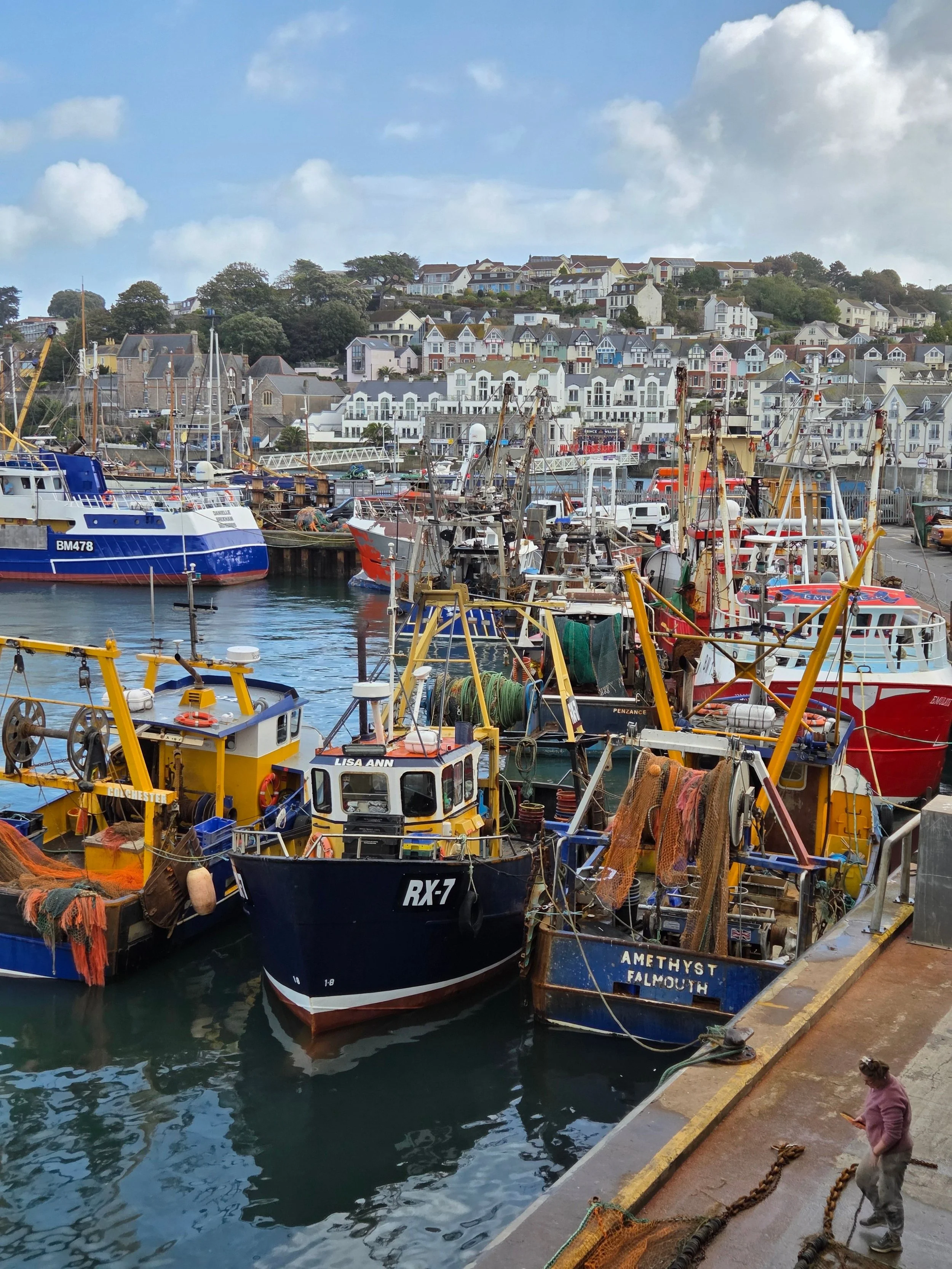
Small British boats are 79% of our fleet — yet get just 2–6% of the fish.
The Problem: The right to catch fish in British waters has ended up concentrated in the hands of a few large operators. Just 26 vessels control 94% of UK mackerel quota, 93% of herring and 97% of blue whiting. Meanwhile the small-scale British boats that make up the overwhelming majority of our fleet get next to nothing by comparison. Jobs at sea have fallen to less than half the number in the mid-1990s, and the harbour towns that built Britain's fishing industry have been frozen out.
The Reform: Allocate at least 30% of all new, additional or recovered quota to small-scale British fishers. British fish, caught by British boats, landed in British ports — putting a national resource back in the hands of the coastal communities it belongs to. A meaningful step-change in ambition that ensures future fishing opportunities are shared more fairly and supports economic renewal in coastal Britain.
What Britain gets:
More fish landed into British ports, supporting local processing jobs
Jobs, spending and pride returning to harbour towns
A real route in for the next generation of British fishers
A fairer share of a national resource for the boats most rooted in coastal Britain
Give Coastal Britain Its Fair Share

Protected Areas That Protect Nothing
Turn paper parks into Fish Productivity Zones.
The Problem: Britain's maps are covered in so-called "protected" areas, yet the majority are failing to do the one job they were designated for. Nothing recovers, no stocks rebuild, and fishers working nearby see no benefit at all. It is protection in name only — a line on a map that lets politicians claim success while the fishing grounds that should be refilling British nets deliver nothing.
The Reform: A clear, time-bound plan to make at least 30% of UK waters genuinely protected and working as marine productivity zones. Sites chosen for where recovery would deliver the greatest ecological and economic benefit, kept free from damaging seabed activity, so stocks rebuild and spill out into the waters our fleet works.
What Britain gets:
Safe areas where fish can breed and grow to full size
Larger, more plentiful fish spilling over into surrounding fishing grounds
Bigger catches for British fishers working the waters nearby
An end to the absurdity of “protected” areas that protect nothing
Our Waters, Our Rules
If you fish here, you play by British rules.
The Problem: British fishers, particularly those running smaller, locally rooted businesses, have long called for a system that applies the same standards to every vessel operating in UK waters. That is not the case. Right now, some play by the rules and others don't have to. Without consistent monitoring across the fleet, enforcement is uneven and the system favours those who operate in the gaps — and those gaps are widest around the large foreign vessels working our waters.
The Reform: A simple principle should govern British waters: if you fish here, you play by the same rules. A binding timetable for onboard cameras on every vessel over 10 metres, delivered within the next government's first term — bringing real transparency to the large vessels that have escaped scrutiny for too long, and avoiding any burden on small British boats that make up the majority of our fleet.
What Britain gets:
One set of rules for everyone fishing in British waters
No more undercutting by boats willing to break the rules
British standards properly enforced on every vessel at sea
Proof for buyers and consumers that British fish is caught fairly
Bigger Stocks, Bigger Catches
Catch limits set by evidence, not political horse-trading.
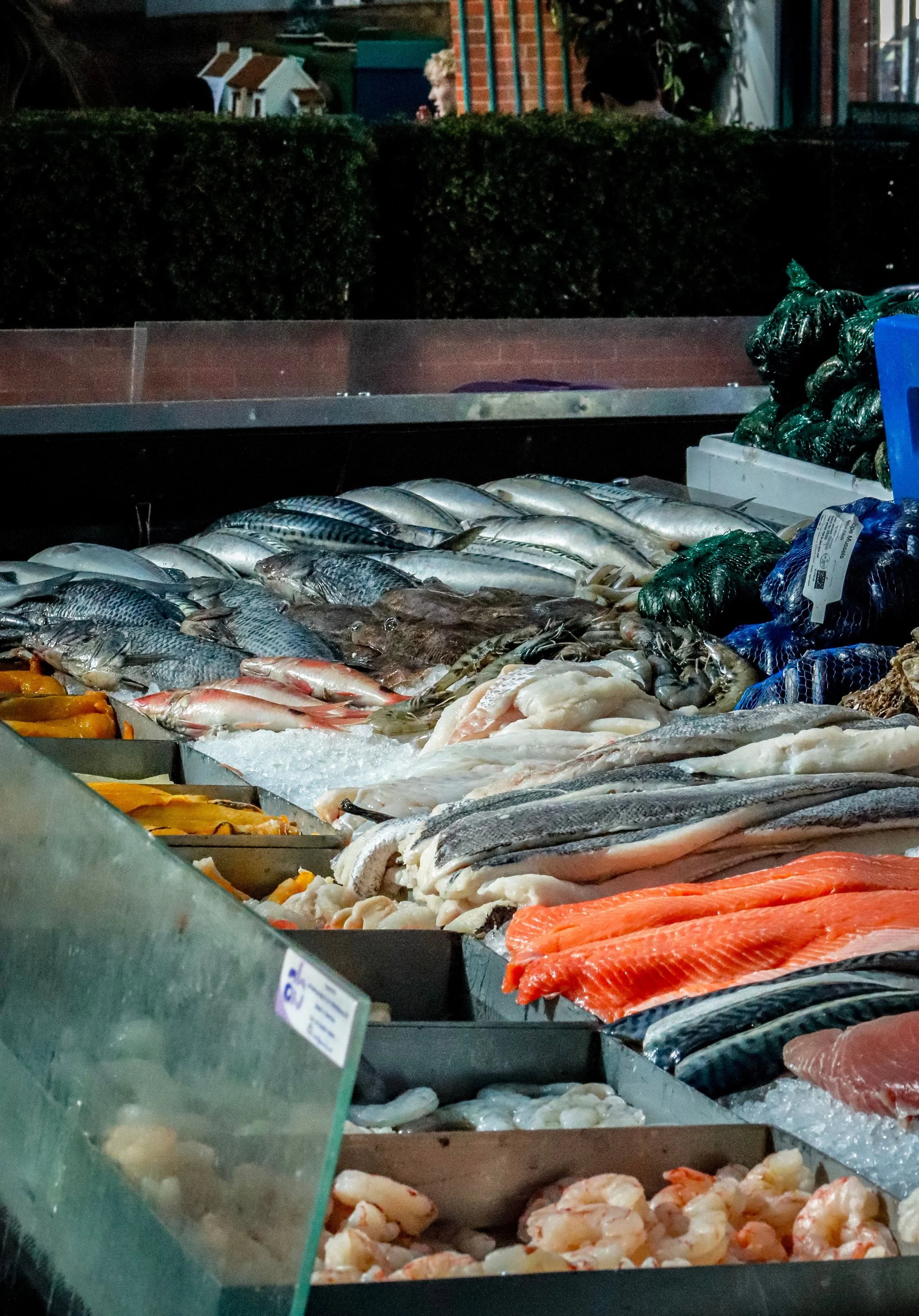
The Problem: Every year, catch limits are settled in negotiations behind closed doors, and too often the evidence is ignored. In 2026, only 31 of 79 UK catch limits were set in line with scientific advice. Half of our top ten commercial stocks, including cod, herring, mackerel and crab, are now in decline, under pressure, or both. A prime example is Celtic Sea cod, which is down by 98%. British fishers are the ones left paying for decisions made over their heads.
The Reform: A legally binding deadline for every catch limit to be set at Maximum Sustainable Yield: the level that delivers the biggest catch year after year without running the stock down. Managed this way, British fisheries become more productive, more resilient and more valuable — securing the industry's future for generations to come.
What Britain gets:
Rebuilt stocks of Britain's most iconic fish, from cod to herring
Bigger, more reliable catches for British boats over the long term
Secure jobs and fishing businesses that can plan years ahead
Decisions made transparently, not traded away in back rooms
Make the Polluters Pay
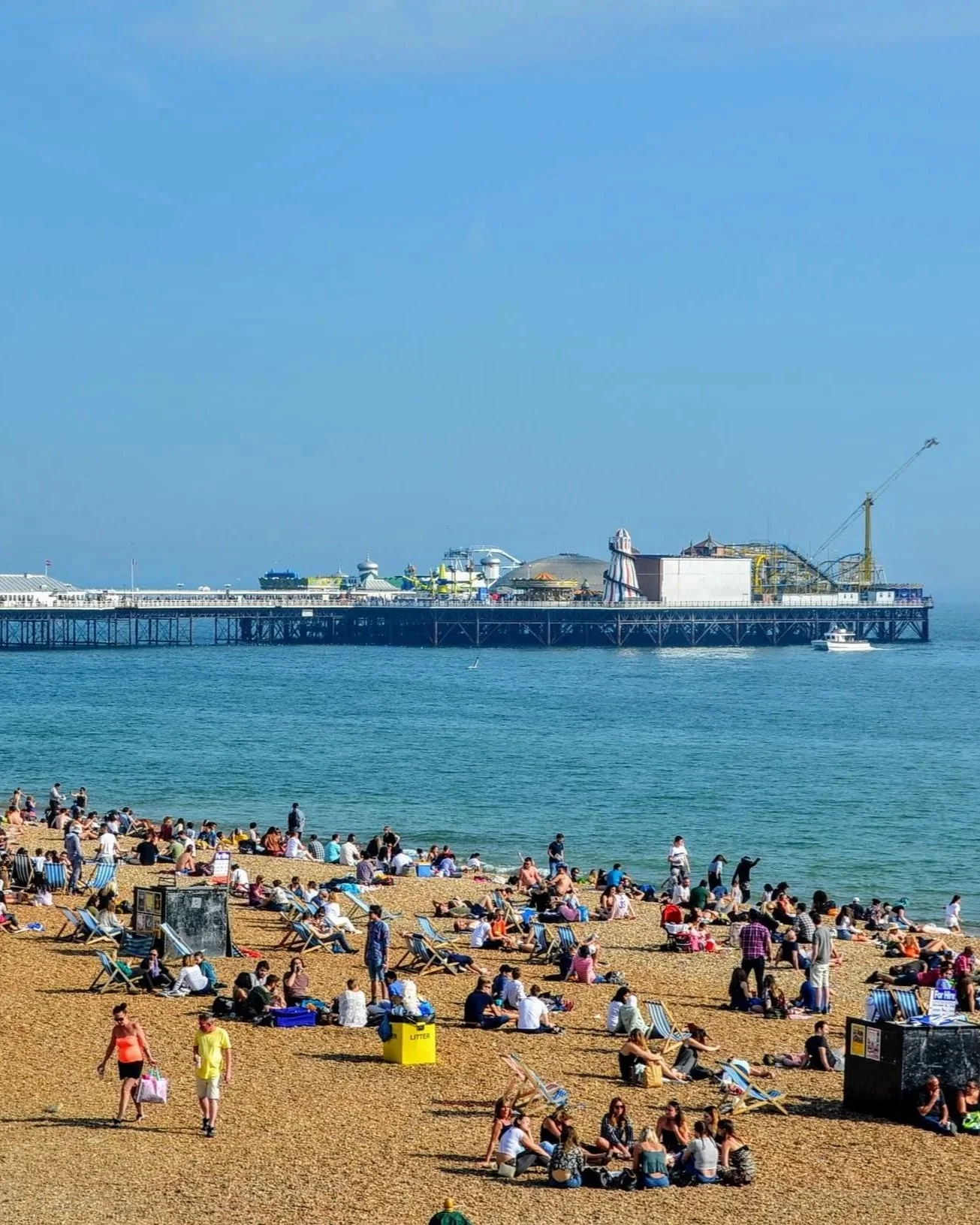
Clean British beaches. No more excuses.
The Problem: Water companies recorded 2,487 pollution incidents in 2024, more than double the regulator's own target and the worst figure in a decade. Penalties have been too weak to change that, leaving ordinary households and coastal communities to live with the consequences of failures they didn't cause. Manufacturers sell us unnecessary single-use plastic, and UK households throw away an estimated 1.7 billion pieces of plastic packaging every week — when not disposed of properly, much of it ends up in our rivers and on our beaches, with taxpayers left to pick up the clean-up bill.
The Reform: A binding deadline to end harmful sewage discharges, with automatic, proportionate fines for every breach, and the revenue used to restore our coasts, not swallowed by the regulator. Manufacturers, not taxpayers, should carry the cost of the plastic they put into circulation, with a serious national effort to cut needless single-use plastic at source.
What Britain gets:
Water companies, not the public, footing the bill for their own failures
Beaches and bathing waters British families can be proud of
A boost for seaside tourism and the businesses that rely on it
Plastic producers paying their way instead of passing the cost to taxpayers
Private Money, Not Taxpayers' Money
Unlock investment in Britain's blue economy.
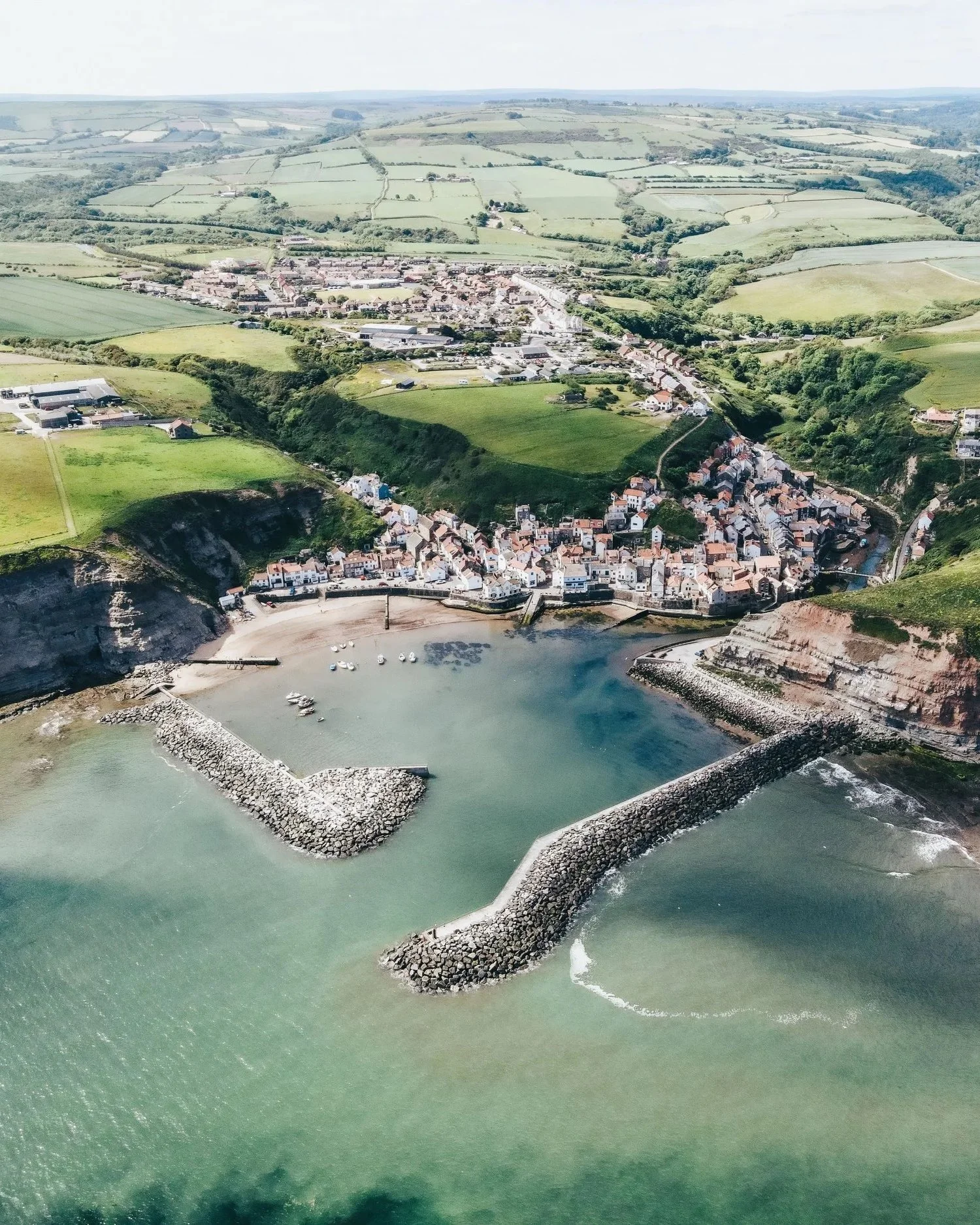
The problem: Counting our Overseas Territories, Britain has jurisdiction over roughly 6.8 million km² of ocean, the fifth-largest marine estate in the world. Our seas and coasts already generate an estimated £47 billion a year and support over 500,000 jobs — yet they attract only a small fraction of comparable private investment on land, because the standards and frameworks investors need simply do not exist. Billions in private capital that could be restoring British seas and rebuilding coastal economies are sitting on the sidelines instead.
The Reform: Develop the standards, codes and investment frameworks needed to unlock large-scale private investment in British seas, ports and coastal industries, competing for a share of a global market projected to reach $10.3 billion by 2036. Restoration at a scale public funding alone could never match, generating real returns for investors and real revenue for the coastal communities and industries that depend on healthy seas.
What Britain gets:
New investment flowing into ports and coastal towns
Restoration paid for by the market, not the taxpayer
Modernised marine industries and a more competitive blue economy
A leading role in a fast-growing global market
want to learn more about our campaigns?
Complete the form and we'll keep you updated on our campaigns, send you the latest news, and let you know the different ways you can get involved.